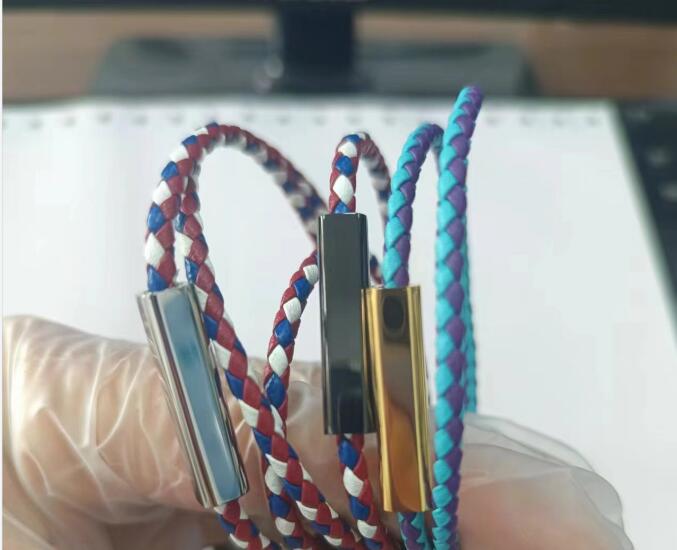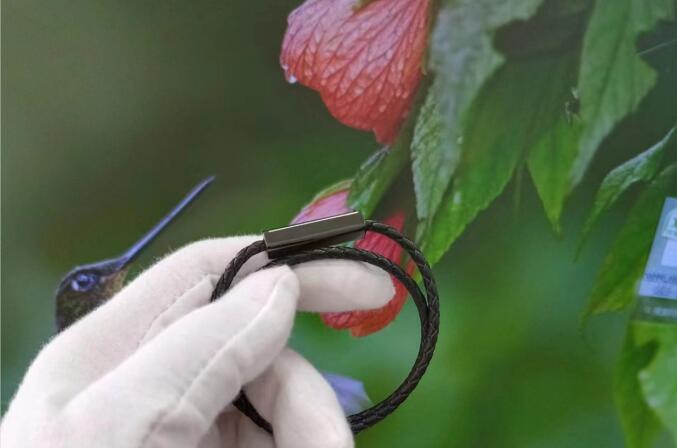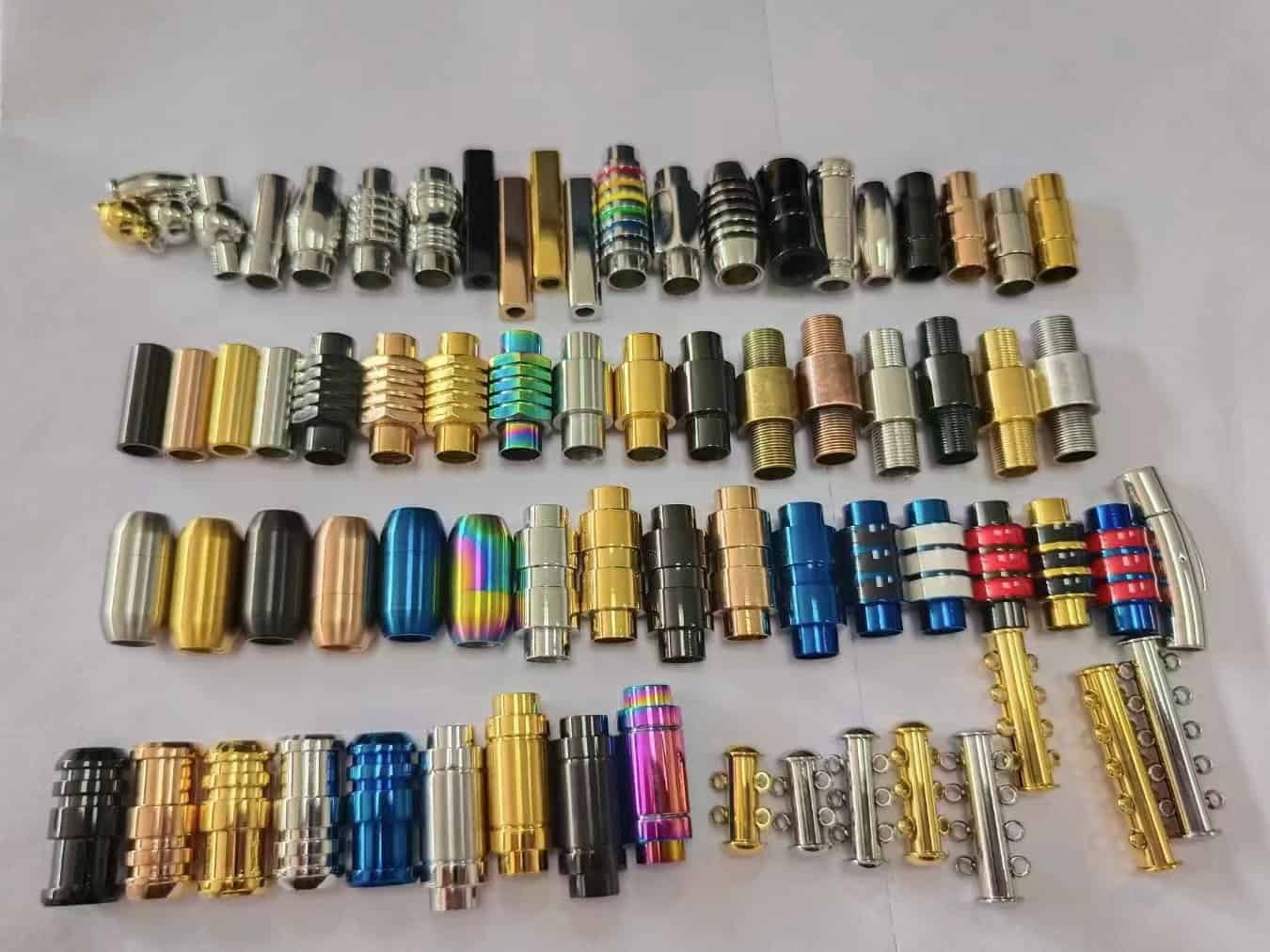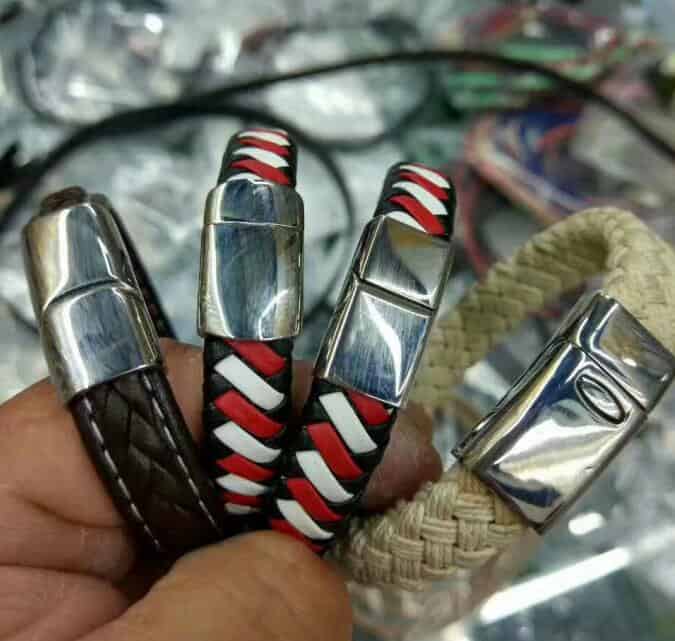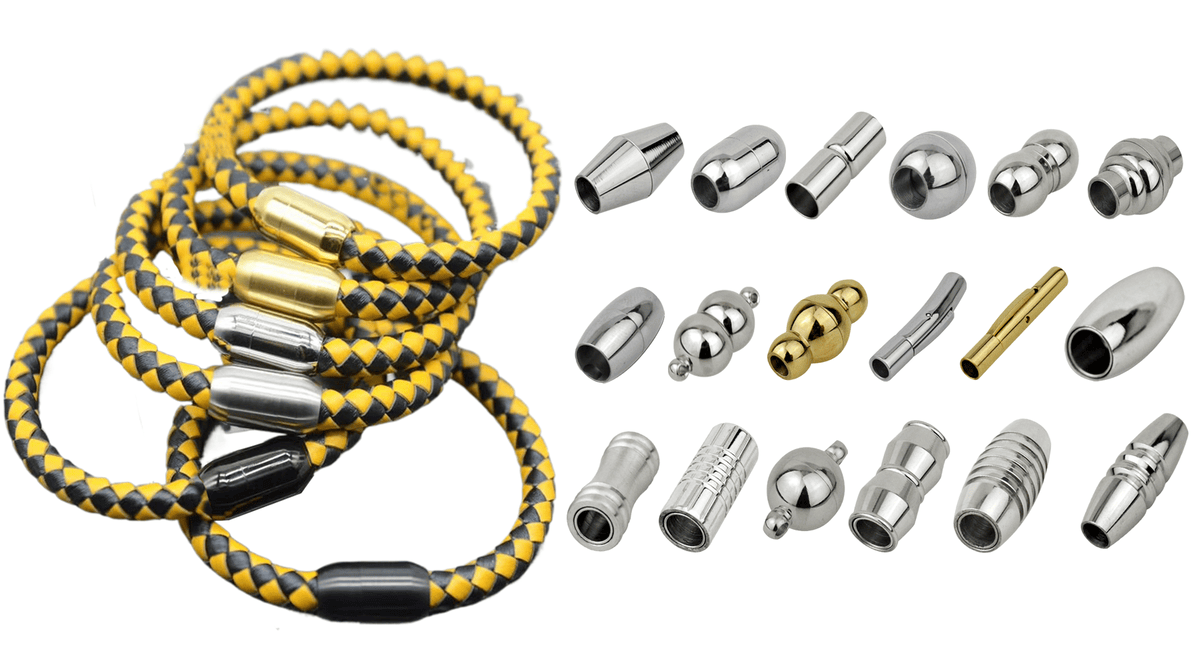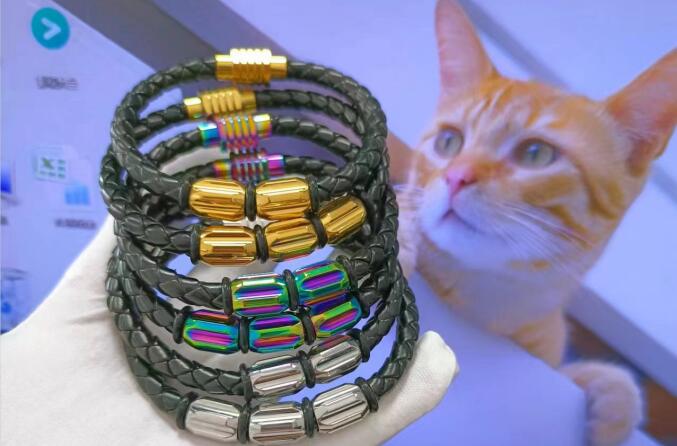
Many jewelry-making enthusiasts need strong stainless steel magnetic clasps. These clasps, integral to jewelry creation, frequently utilize magnets. The magnet’s strength is vital. As a manufacturer of these clasps, we often need to customize the magnet’s surface based on customer demand.
Why The Magnets In Magnetic Jewelry Clasp Need Surface Treatment?
There are two main reasons:
1. Fragility: The magnets used in our magnetic clasps are neodymium magnets, also known as NdFeB, NIB, or Neo magnets. Made from rare earth materials, they are quite fragile and can break easily under strong impacts, vibrations, or bending, potentially causing permanent damage.
2. Easy Oxidation: Neodymium magnets have high chemical activity and easily react with oxygen in the air, causing oxidation. This oxidation can reduce the magnetic performance of the magnets and cause surface corrosion.
The magnets in stainless steel jewelry clasps are generally thin and lightweight, making them susceptible to breaking if dropped. Frequent exposure to water and sweat, such as when wearing magnetic clasp bracelets or necklaces, can cause oxidation and corrosion. Applying a surface treatment can create a protective layer on the magnets.
Common Surface Treatment Methods for Magnets
The magnets surface of stainless steel magnetic clasps can be treated according to customer’s demand, including electroplating with blue-white zinc, nickel-copper-nickel, gold, or gunmetal finishes.
The most common electroplating methods are nickel plating and zinc plating.
Nickel Plating
The mainstream plating method is nickel-copper-nickel(three-layer protection), known for its strong corrosion resistance and high cost-effectiveness(its cost is a bit high than zinc plating).
Pros: Nickel-plated magnets have a thicker surface layer. The nickel-copper-nickel is a triple-layer plating, making the magnets less prone to breaking and more durable. They can be stored for a longer time and match the color of stainless steel.
Cons: Not environmentally friendly during the treatment process.
Zinc Plating
Zinc-plated magnets come in various types, such as white zinc, blue-white zinc, blue zinc, rainbow zinc, and black zinc.
Blue-White Zinc: We call it zinc-plated magnets, this is a type of zinc plating used for corrosion protection and decoration of metal surfaces. Originally white, the zinc plating appears blue-white due to the addition of aluminum during the plating process.
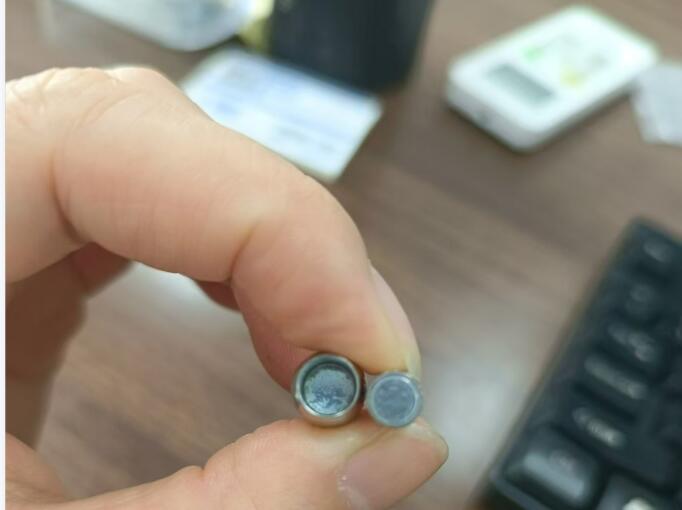
Blue-White Zinc magnet
Pros: Lower cost and less complex compared to other metals. It has higher corrosion resistance and better appearance compared to other types of zinc plating (like white zinc). Another significant advantage is that it is much more environmentally friendly than nickel plating.
Therefore, the surface of magnets in stainless steel clasp is often treated with zinc plating.
Cons: Less anti-oxidation and rust resistance; the protective layer may peel off. But some customers may have special requirements, choosing 316 stainless steel and using zinc plating for the magnet surface treatment.
By default, we use zinc plating for surface treatment, if clients have their requirements, we can provide nickel-plated magnets.
In summary, the type of plating on the magnet surface of stainless steel jewelry clasps, be it nickel or zinc, is determined by customer preferences. The goal is to improve the anti-oxidation and shatterproof properties of the magnets and to enhance their aesthetic appearance.